The Dosha Series: Kapha
By: Daniel Tiapon
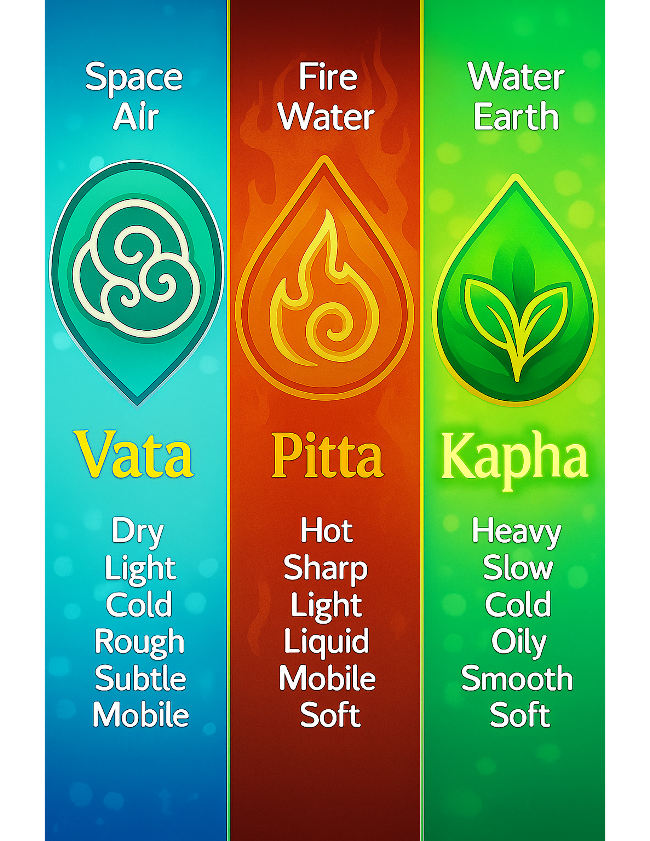
Welcome to our first post in our Dosha Series, where we explore the three primary energies that shape our daily feelings and functioning: Kapha, Pitta, and Vata.
If you haven’t already read our blog, Your Nature: Understanding Health Through Ayurveda, you can access it here. Ayurveda teaches that health is shaped by three natural energies or doshas: Vata, Pitta, and Kapha. These doshas originate from the five elements— earth, water, fire, air, and ether—and work together to influence our energy levels, metabolism, and sense of stability. While everyone has all three doshas within them, each person has a natural balance of the three that is uniquely their own. When all three are balanced, they help create long-term wellness and ease.
In this post, we’re focusing on Kapha. Made of earth and water, Kapha provides strength, structure, and a sense of calm. You’ll learn how Kapha supports rest and resilience, what causes it to become sluggish or heavy, and how to bring it back into balance.
.png)
Kapha Dosha Elements: Earth & Water
Kapha is the energy of structure, cohesion, and stability. It provides the body with physical strength, endurance, and lubrication in the joints and tissues. It is what gives form to the body and holds things together, both physically and emotionally.
Emotionally, Kapha types are compassionate, calm, and nurturing. They are often the steady, grounded presence others turn to in times of stress or uncertainty. Kapha individuals tend to be thoughtful listeners, loyal friends, and deeply connected to their routines, families, and homes.
Kapha in Imbalance
Because Kapha is heavy and slow by nature, excessive amounts can lead to stagnation. When out of balance, Kapha may show up as lethargy, depression, emotional overattachment, or resistance to change. These individuals may become overly complacent, withdrawn, or emotionally possessive. Physically, excess Kapha can result in weight gain, water retention, sluggish digestion, sinus congestion, and a general sense of heaviness in the body.
Kapha types may also struggle with letting go, whether that be emotional baggage, material items, or familiar habits that are no longer serving them. While their desire for comfort and consistency can be a strength, it can also make change feel daunting.
Seasonal Influence on Kapha
Kapha tends to accumulate during late winter and early spring, when the environment is damp, cool, and heavy. During this time, it is common to feel more tired, congested, or unmotivated. Spring is therefore an important time to gently stimulate the body and mind with energizing routines and lightening habits.
Balancing Kapha Through Energy and Variety
Balancing Kapha is all about inviting in lightness, movement, and stimulation. This does not mean pushing aggressively, but rather encouraging small, consistent changes that spark vitality and curiosity. Supportive practices include:
- Eating warm, light, and spicy foods like ginger, garlic, leafy greens, lentils, and apples
- Favoring dry cooking methods like baking or roasting over heavy, oily dishes
- Engaging in regular physical activity, especially aerobic movement or invigorating yoga styles
- Waking up before sunrise and avoiding long naps or oversleeping
- Exploring new places, hobbies, or social settings to shake off stagnation
- Breaking routine with new experiences and environments
When Kapha Is in Balance
When Kapha is balanced, it brings deep emotional resilience, physical strength, and an enduring sense of peace. Kapha types offer steady support, a grounded presence, and a natural capacity to nurture others. They are dependable, loyal, and often the emotional anchor in their relationships. With a bit of movement, inspiration, and lightness, Kapha can be the embodiment of grace, compassion, and inner strength.

Join the Cause
Wondering how you can help?
Want to help underserved women access critical stress management services?
Together we can build a happier and healthier future for all women